Episode 63: The Mini: Splatterpunk Newsletter

The crew revisits fear and horror, Georgia watches Blair Witch for the first time, and their Slay the Lake road trip. Science news: CRISPR defenses, semen-derived eye drops, and airborne eDNA.

SubstackAppleSpotifyYouTubeAmazon

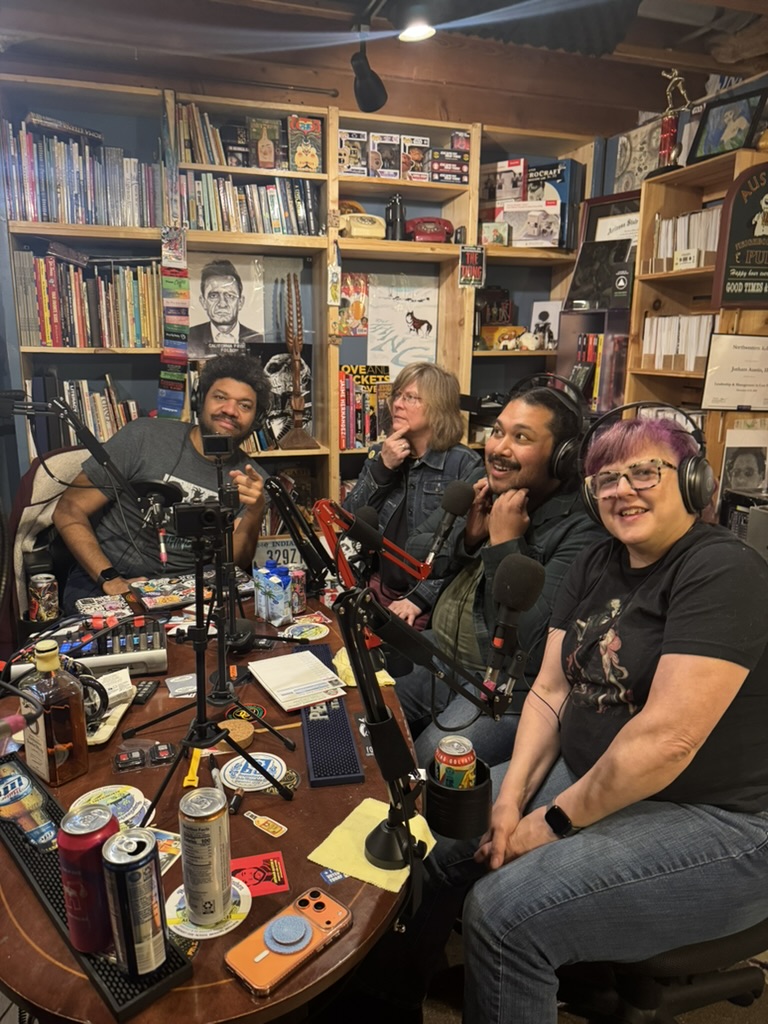
In Episode 63: “The Mini”, Joe, Nick, and Georgia recap Episode 62: Fear, Phobias, and Splatterpunk: When Terror Becomes Entertainment and share their road trip to Slay the Lake, an LGBTQ+ horror book festival at the Final Girl Bar in Kenosha, plus a stop at the Milwaukee Zine Fest on the way.

The crew shares a listener recommendation from Alex, John Wiswell’s 2024 novel Someone You Can Build a Nest In, and dig into an interesting question: why can some people read horror but not watch it? They also recommend The Monkey and Netflix’s Something Very Bad Is Going to Happen, which share a similar vibe of generational cursed-object horror.

The science segment works through Nick’s use of the word “small”, and the communication barrier between non-scientist and scientist, before landing on how bacteria defend themselves against bacteriophages, CRISPR’s discovery and uses, and the frontier of epigenetic gene regulation. Joe then highlights two studies: one on semen-derived exosomes as a non-invasive eye-drop drug delivery system for retinoblastoma, and one on detecting wildlife via airborne environmental DNA, and what happens when you throw some Handwavium at the limitations.

The crew also shares what media they’ve been digging into: Blair Witch ProjectJason Takes Manhattan, SNL UK, Brooklyn Nine-Nine, the video game Phasmophobia, and the book Strange Animals. And they celebrate Joe being named by the Guild Literary Complex as one of the 35 Writers to Watch! with a celebration event April 30th at Epiphany Center for the Arts.


Listen to Episode 62:

RABBIT HOLE OF RESEARCHFear, Phobias, and Splatterpunk: When Terror Becomes Entertainment 
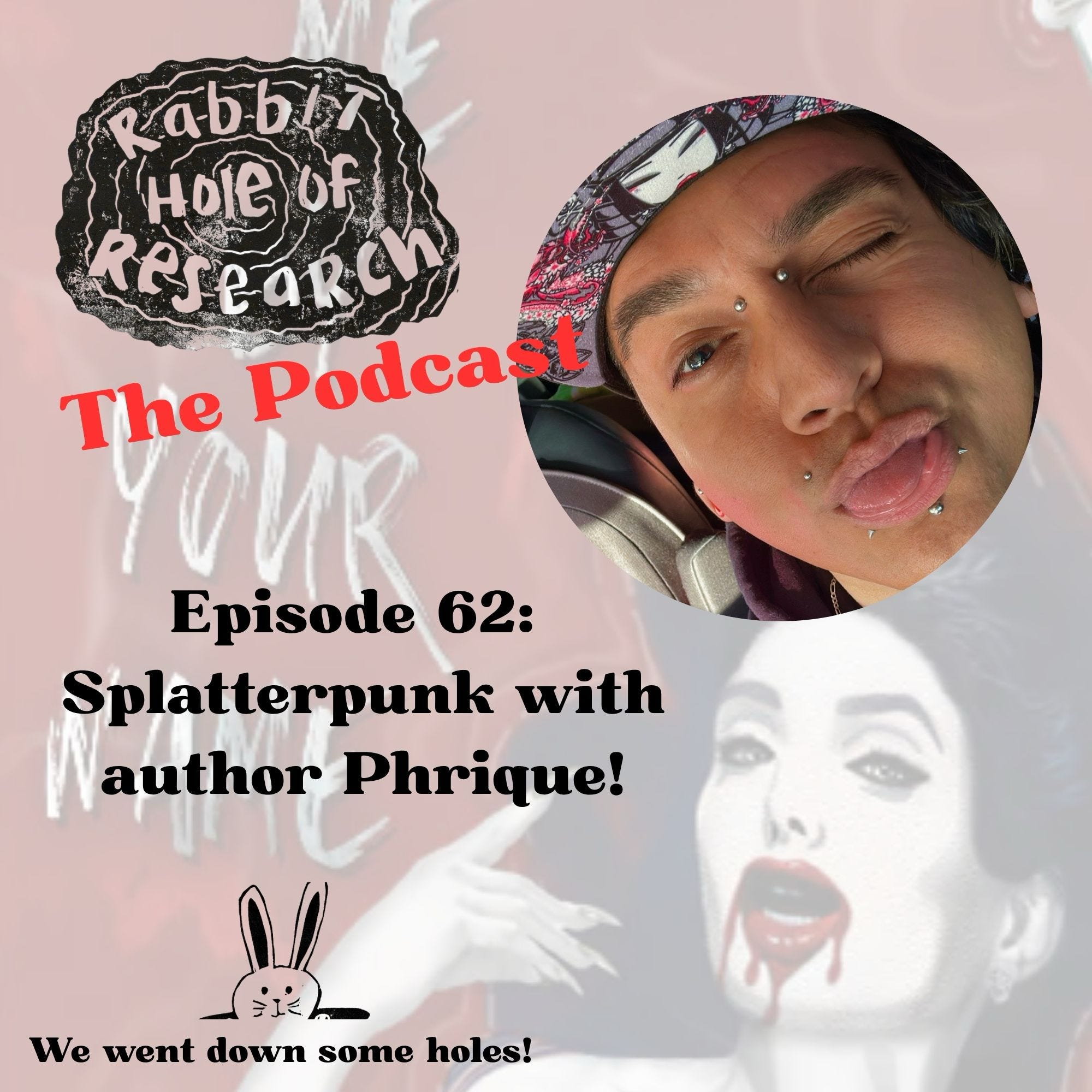
In the 62nd episode of Rabbit Hole of Research, Joe, Nick, and Georgia welcome splatterpunk author Phrique to the Basement Studio to dig into one of horror’s most primal questions: what separates a debilitating phobia from a Tuesday night movie with friends?


Check out what the RHR crew is creating:

Joe:


It’s science for Weirdos

Want to support the show? Tell your friends. Follow us on social mediaDiscordshare the podcast, and let us know what topics you are excited about. And to see all the content (studio images and artwork) subscribe to the Rabbit Hole of Research newsletter!

Stay curious, stay speculative, stay safe, and we’ll catch you in the next rabbit hole. Love Y’all!


Future Events to Hang with the Crew:

Podcast Cross-Appearances

Events & Conventions:


Upcoming Episodes

*The Mini will now be every other episode!

  • Episode 64 – Into the Deep: Humans, Caves, and the Final Frontier: Guest: Ernie Bell, PhD (NASA and Blue Origin)What can living underground on Earth teach us about surviving on other worlds?
  • Episode 66 – Planetary Defense: Saving Earth from Other Worldly Impact: Guest: Charles Blue
    Exploring asteroid detection, planetary defense systems, and what it takes to protect Earth from cosmic collisions.
  • Episode 68 – Hive Mind: Plubris: Guest: Wes Thorn (returning guest — Simulation Hypothesis episode)The crew dives into hive minds, collective intelligence, and the blurry line between the individual and the swarm.

What the Crew is Digging, Links, Resources, and Topics Mentioned in mini and/or full episode:

Listener Comment:

  • Alex recommended Someone You Can Build a Nest In by John Wiswell (2024) — a queer shape-shifting fantasy horror novel. Winner of the Locus Award for Best First Novel, Hugo Award finalist.

Topics Mentioned:

  • CRISPR — bacterial immune defense system and gene editing tool
  • Bacteriophages — viruses that infect bacteria
  • Epigenetic gene regulation — turning genes on and off without changing the underlying DNA
  • Exosomes — tiny vesicles cells use to pass information to each other
  • Retinoblastoma — rare malignant eye cancer, most prevalent intraocular malignancy in children
  • Airborne environmental DNA (eDNA) — surveying ecosystems and tracking species through genetic material in the air
  • COVID wastewater surveillance — referenced as a parallel application of environmental DNA monitoring

Movies & TV:

  • The Blair Witch Project (1999) — Georgia watched it for the first time and highly recommends it. Nick also gives a nod to the 2016 follow-up Blair Witch.
  • Jason Takes Manhattan — Friday the 13th Part VIII (1989), watched at the Final Girl Bar during Slay the Lake. Joe’s favorite scene: Jason punches a guy’s head clean off on a rooftop in New York.
  • The Monkey (2024) — watched after Episode 62, highly recommended. Similar vibe to Something Very Bad Is Going to Happen.
  • Something Very Bad Is Going to Happen — Netflix series, 8 episodes. Generational cursed-object horror with a similar tone to The Monkey.
  • SNL UK — Nick is watching on Peacock and enjoying it. Currently on episode four.
  • Brooklyn Nine-Nine — Nick just finished rewatching the full series. Stars Andy Samberg, comedy about a police precinct.

Video Games:

  • Phasmophobia — Nick jumped back into the ghost hunting game after a crossover event with Alan Wake 2 was announced.

Books:

  • Strange Animals — recommended by Georgia to Nick, who just started it. Georgia is about 70% through and confident enough in it that she recommended it after only five chapters.

Science Briefs:


Love Y’all! Don’t forget to Rate the show!

The Show Notes: Episode 16.1 the b-side: Ultimate Alien Invasions, Panspermia, and Jeff Goldblum. 

This is a companion episode to Episode 16. We talk about Jeff Goldblum, Sigourney Weaver, Will Smith, Starship Troopers, Invasion of the Body Snatchers, Thundercats, and are we made of alien stuff?

Welcome to the Footnotes of the B-sides! In this mini episode,Joe and Nick discuss their recent movie and TV show viewings including the new Alien movie, ‘Parasite’ and ‘Umbrella Academy Season 4’. They also revisit their ‘Ultimate Alien Actor’ debate, discussing contenders like Jeff Goldblum, Sigourney Weaver, and Will Smith. They delve into concepts of alien invasions in popular culture from ‘Starship Troopers’ to ‘Invasion of the Body Snatchers’ and ‘Thundercats’. The episode ends with a tease for the next episode, urging fans to send in comments and questions.

Don’t forget to Rate the show!

Join us on Discord: https://discord.gg/2nnmKgguFV

artwork by Georgia Geis @atomic_number14 https://www.instagram.com/atomic_number14/


Show Notes:

00:00 Welcome to the Basement Studio

00:33 What Nick is watching:

  • Alien: Romuls Movie Review

02:13 What Joe is Watching:

  • Parasyte: The gray two episode left.
  • Finished Umbrella Academy season 4

03:06 Ultimate Alien Actor Debate

Sigourney Weaver

  • Alien (1979)
  • Aliens (1986)
  • Alien 3 (1992)
  • Alien: Resurrection (1997)
  • Avatar (2009)
  • Galaxy Quest (1999)
  • Paul (2011)
  • Avatar: The Way of Water (2022)

Jeff Goldblum

  • Invasion of the Body Snatchers (1978)
  • The Adventures of Buckaroo Banzai Across the 8th Dimension (1984)
  • Earth Girls Are Easy (1988) – Plays an alien.
  • Independence Day (1996)
  • Independence Day: Resurgence (2016)
  • Thor: Ragnarok (2017)
  • Asteroid City (2023)

Will Smith

  • Independence Day (1996)
  • Men in Black (1997)
  • Men in Black II (2002)
  • Hancock (2008)
  • Men in Black 3 (2012)
  • Men in Black: International (2019) – Cameo via portrait.

Lance Henriksen

  • Aliens (1986)
  • Alien 3 (1992)
  • Alien vs. Predator (2004)
  • Alien vs. Predator: Requiem (2007)
  • The Visitor (1979)
  • Close Encounters of the Third Kind (1977)

Donald Sutherland

  • Invasion of the Body Snatchers (1978)
  • Virus (1999)
  • Final Fantasy: The Spirits Within (2001) – CGI role involving aliens.
  • The Puppet Masters (1994)

Kurt Russell

  • The Thing (1982) – Features a shape-shifting alien.
  • Stargate (1994) – Involves ancient extraterrestrial beings.
  • Guardians of the Galaxy Vol. 2 (2017) – Plays Ego the Living Planet.

06:58 Thundercats and Animation Styles

09:19 Panspermia and Alien Invasions

12:09 Nick’s Spiderman comic fan recommendation:

13:40 Wrapping Up and Teasers

Give us 5 stars!

Share this with a friend!

Leave a comment!

Episode 16: Exploring Alien Invasions: Movies, Theories, and is Jeff Goldblum the Ultimate Alien Actor

JOTHAM AUSTIN, II PHD AND NICK ELIZALDE

·

AUG 21

Read full story


Don’t forget to Rate the show!

artwork by Georgia Geis @atomicnumber14

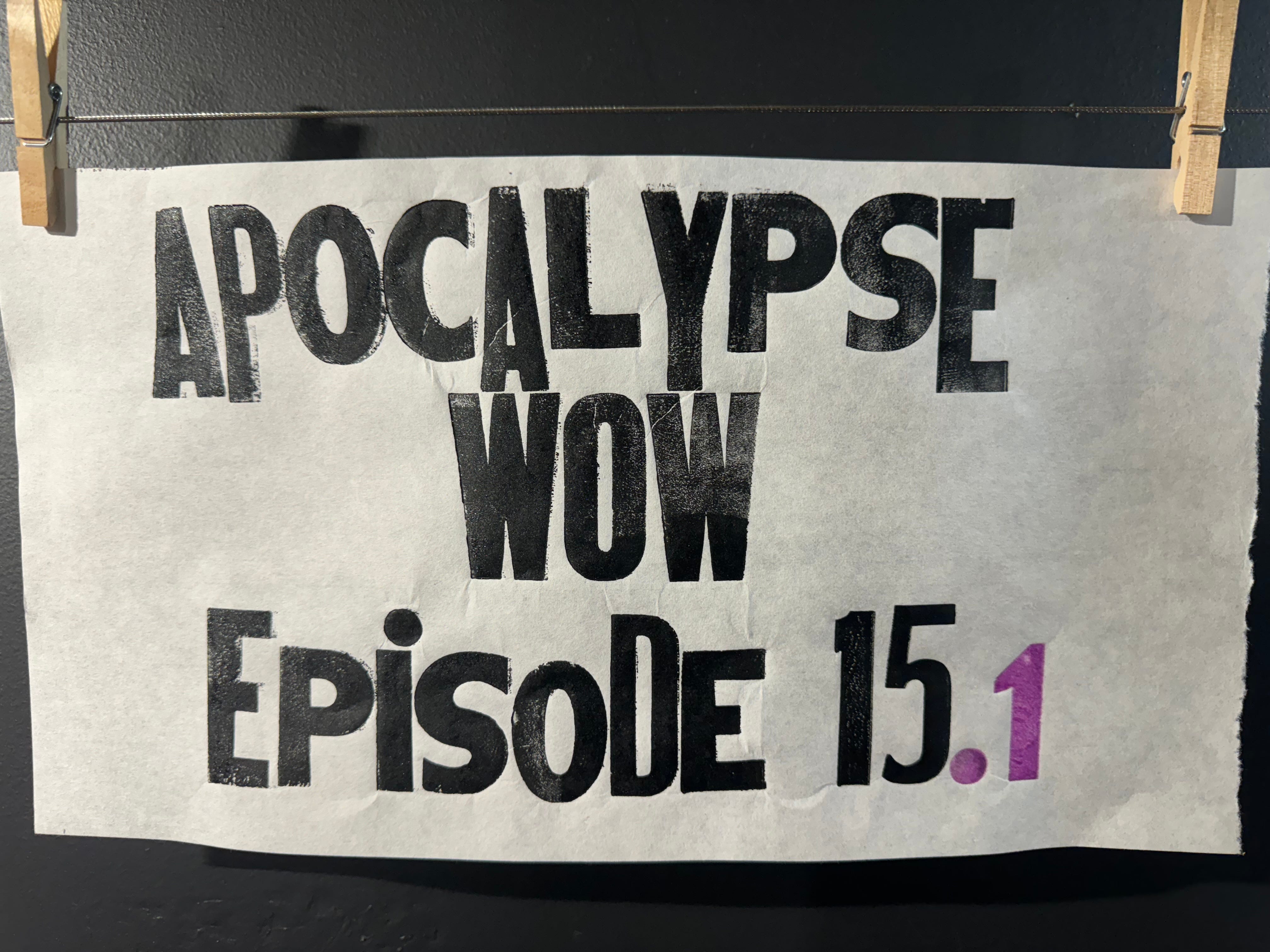
The Show Notes: Episode 15.1 the mini b-side: Clarifications and more Apocalypse Wow!

This is a companion episode to Episode 15. We talk about Owen Wilson, West Nile virus, updated WHO pandemic watch, Answer fan questions about zombies, and other tid-bits.

Print by Georgia Geis @atomic_number14

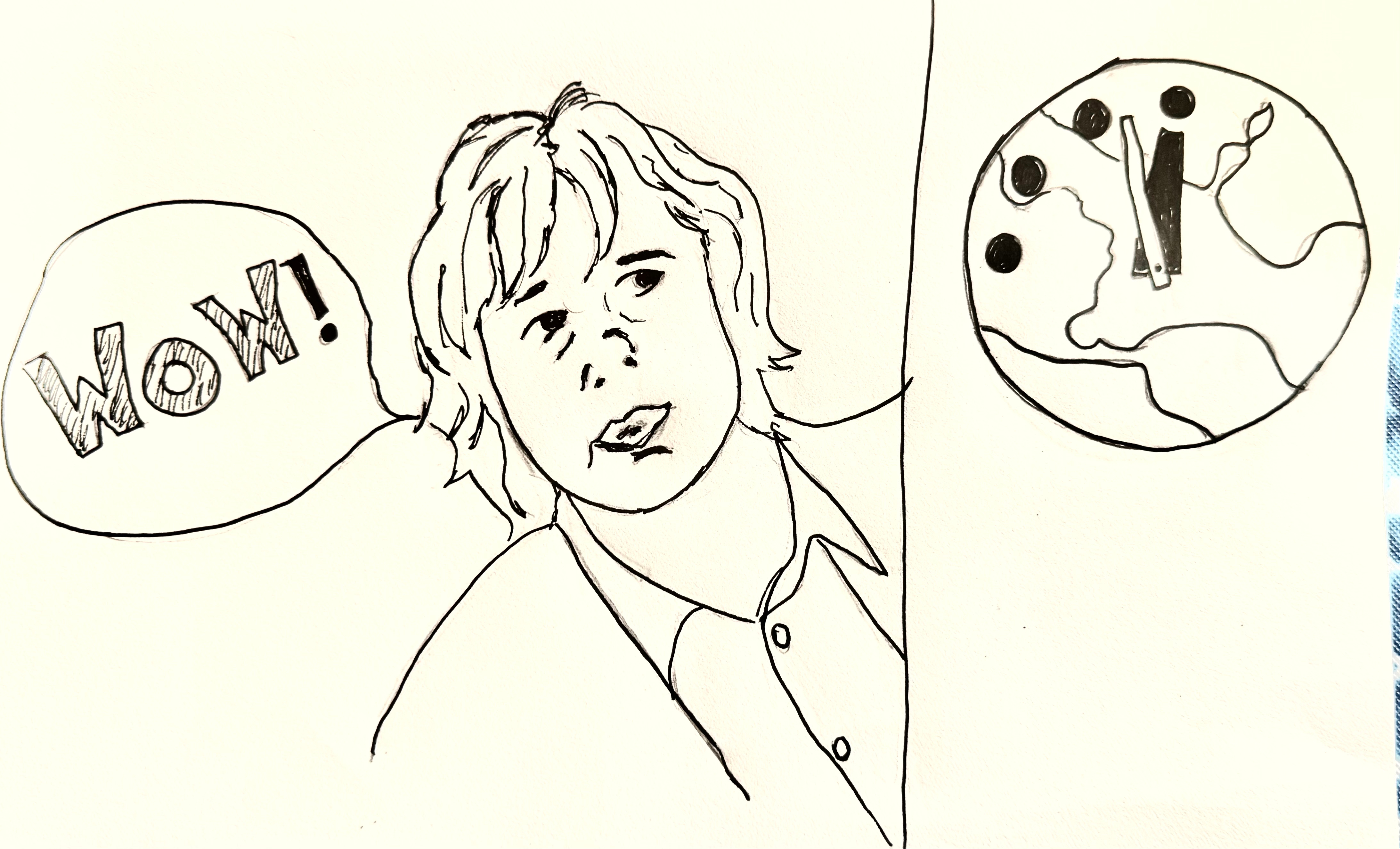
Welcome to the Footnotes of the B-sides! In this mini episode, Joe, Nick and Georgia dive into fan comments, topics such as Owen Wilson’s ‘Wow,’ West Nile virus, and the updated WHO list of potential future pandemic pathogens. They also speculate on military bases as potential safe havens during a zombie apocalypse and mention various entertainment preferences, like the ‘Fallout’ series, ‘Lady in the Lake,’ and comic books. The episode ends with a light-hearted wrap-up, urging fans to send in comments and questions.

Don’t forget to Rate the show!

Join us on Discord (https://discord.gg/KUjyK2hD)

artwork by 

Georgia Geis @atomic_number14 https://www.instagram.com/atomic_number14/


Show Notes:

00:00 Introduction and Episode Clarification

01:09 Discussing the Apocalypse

01:13 All about Owen Wilson. Wow!

02:57 Science Friday’s West Nile Virus Discussion

03:02 These pathogens could trigger the next pandemic

03:26 Fallout series

04:00 Join us on Discord(https://discord.gg/KUjyK2hD)

04:28 Religious Rapture Apocalypse

  1. Stephen King’s ‘The Stand’,
  2. Tim LaHaye and Jerry B. Jenkins’s Left Behind series
  3. Terry Gilliam’s film Brazil (1985)
  4. This is the End (2013)
  5. Rapture (2019)

05:07 Apocalypse Movies Georgia was thinking about

06:22 Fan Questions and Comments

  • Shout out to Alex4833 on YouTube
  • The Doomsday clock during the 1962 Cuban Missile Crisis set to seven minutes to midnight.

07:06 Alex4833 asked if a military base would be the safest place during a Zombie apocalypse

Video game “Day’s Gone

Novel series byJ.L. Bourne ‘Day by Day Armageddon’

10:24 Current Watchlist and Reading

11:50 Conclusion and Mellisa’s final Wow!

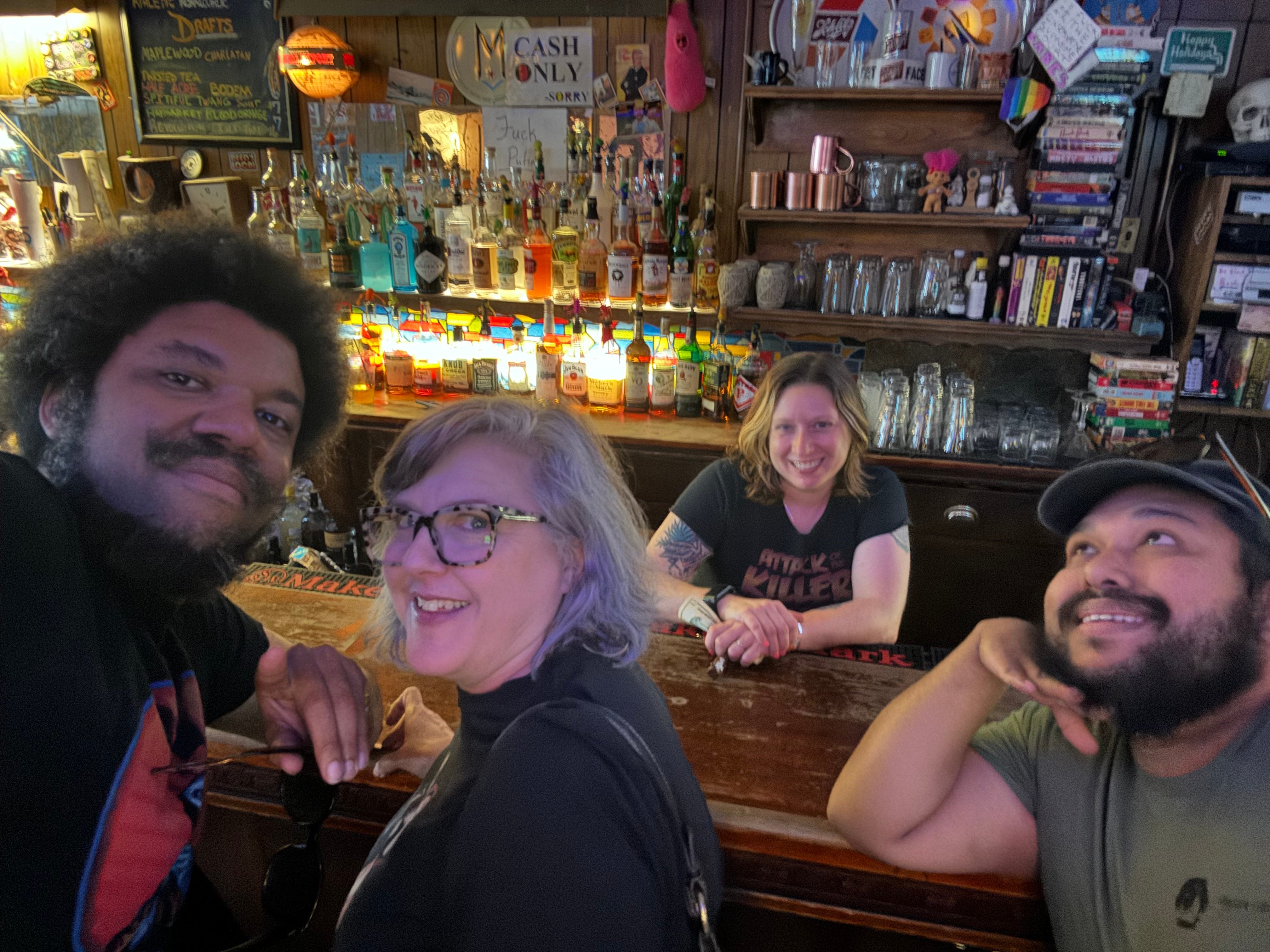
Joe, Georgia and Nick recording at Reed’s Local with Melissa!

Give us 5 stars!

Share this with a friend!

Leave a comment!

Georgia Geis @atomic_number14

Okay, that’s it for this episode. How’d we do?


You can always email (I do answer back), click the comment link below, or follow me online for real time tracking.

The Show Notes: Episode 14.1 the b-side—clarifications and more Regeneration Insights

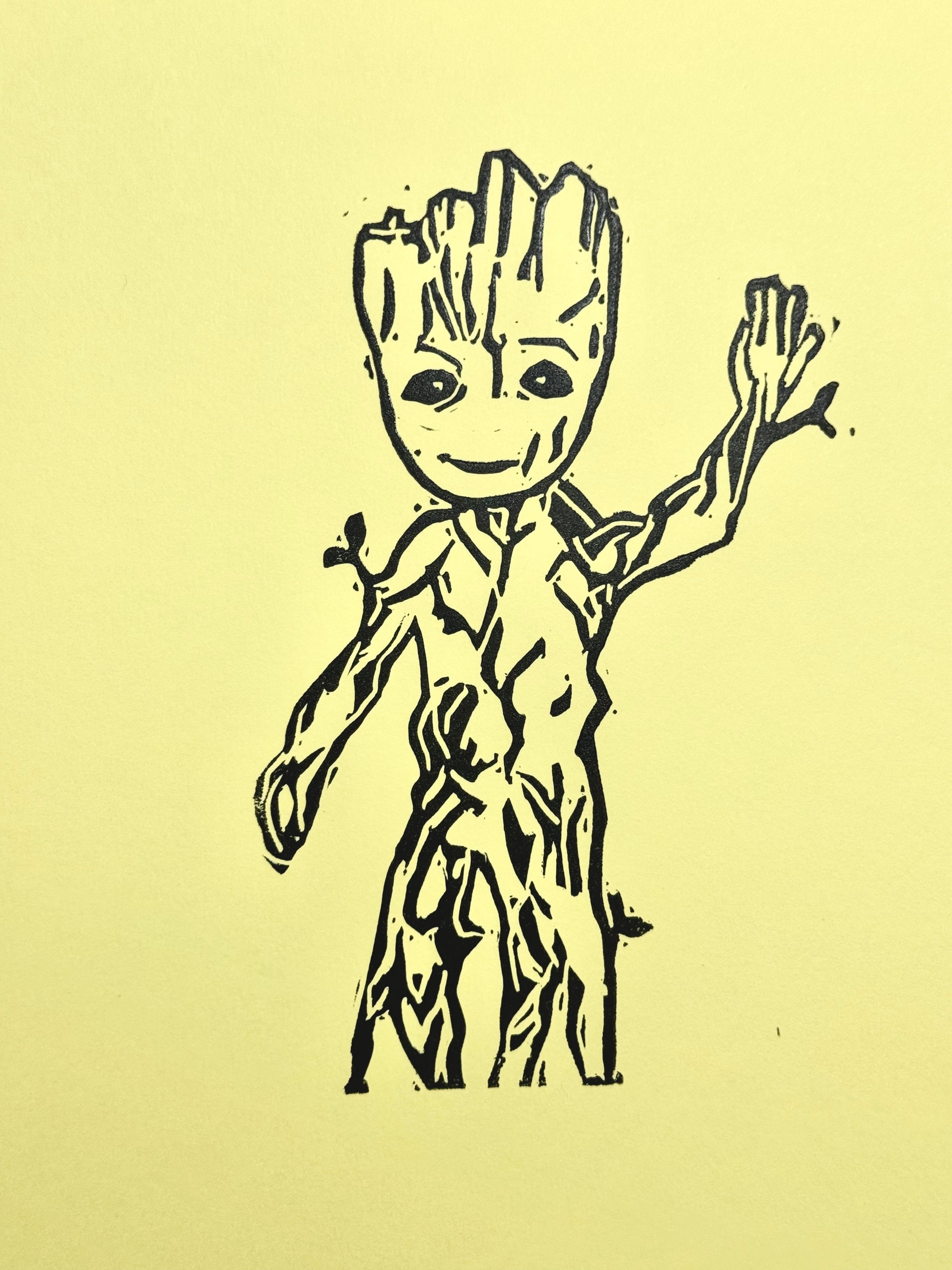
This is a companion to Episode 14 on Regeneration. We talk about the Deadpool and Wolverine movie, calcifications about plant regenerations, updates on bioelectricity research, and is Groot a plant?

Welcome to the Footnotes, B-sides, or mini-episode Show notes: That’s right just like the main event, the mini episode, also has show notes. Curated with time stamps, you’ll find exposition and links to help you explore topics on your own. Have fun!


Haven’t listened to the mini-episode yet, check it out here:

Episode 14.1 the b-side—clarifications and more Regeneration Insights


And if you didn’t listen to the main Episode 14 check it out here:

Episode 14: Exploring Regeneration from Wolverine and Deadpool to Actual Factual Science


The Episode 14.1 b-side Show Notes:


00:00 Welcome to the Rabbit Hole of Research

01:11 What’s with this Mini-episode?

01:47 Movie Review: Deadpool and Wolverine

  • First official Rabbit Hole of Research thumbs up!
  • As you can imagine this is not a superhero movie for children (here is a parent’s guide)
Deadpool and Wolverine Movie Poster

05:00 Plant Regeneration Expanded and Clarified

  • Can a tree regenerate after being cut down?
    • Several tree species have the ability to regenerate after being cut down through a process known as coppicing. This natural adaptation allows trees to regrow from their roots or stumps after the main stem has been removed. 
    • Coppicing involves the tree’s root system sending up new shoots from the base or roots after the main stem has been removed. However, the regrowth ability and vigor can vary among species and depend on factors such as the tree’s health, environmental conditions, and the cutting method used.
  • A stem stuck in the ground can often regenerate a root system through a process called vegetative propagation.
    • This method of plant reproduction allows new plants to grow from parts of existing plants, such as stems, rather than from seeds.
    • Many plants have the ability to produce adventitious roots – roots that grow from plant parts other than the normal root system. When a stem cutting is placed in soil, it can develop these adventitious roots from the cut end or from nodes along the stem.
    • Plant hormones, like auxins, environmental factors such as moisture, temperature, and light also influence the success of root regeneration.
    • This method of propagation is widely used in horticulture and gardening to create new plants from existing ones.

07:31 Bioelectricity and Regenerating from a “Sack of Bloody Skin Ball”

  • BIOELECTRICITY
    • Bioelectricity plays a crucial role in regeneration by using electrical signals to guide cellular behavior and tissue formation. These signals involve ion flows and voltage gradients that regulate gene expression and cell activity, essential for both development and repair of tissues. Studies have shown that manipulating bioelectric signals can induce regeneration in species that typically do not regenerate, such as certain amphibians and potentially mammals. This approach, which integrates bioelectric cues with genetic and pharmacological interventions, holds promise for advancing regenerative medicine and treating injuries and birth defects.
  • MORE TO CHECK OUT ON BIOELECTRICITY:
  • More about Planaria
    • Planaria are free living flatworms found in freshwater. They are a popular model organism for studying regeneration and bioelectricity due to their remarkable ability to regenerate entire body parts, including their brain. They can regenerate even after being cut into 279 pieces. Research has shown that bioelectric signals play a crucial role in planarian regeneration.
    • These studies show that bioelectric gradients help guide the formation of new head or tail structures. Manipulation of ion channels and voltage gradients can alter regeneration outcomes in planaria, such as inducing the growth of additional heads. And, Studies on planaria have revealed that bioelectric networks can store and process information about body patterning, acting as a kind of “memory” for anatomical structure.
    • By using a simpler model organism, like planaria, to understanding regeneration mechanisms this will allow researchers to potentially develop regenerative therapies in more complex organisms, including humans.

11:16 Deadpool and Wolverine movie calorie count for all this regeneration

  • Calories in SPAM 180 calories/can
  • Calories in bottle of whiskey ~1600

12:04 Voldemort’s Regeneration

14:19 Wrapping Up and Future Topics

  • Give us 5 stars!
  • Share this with a friend!
  • Leave a comment!

Subscribe

Share

Leave a comment

Georgia Geis @atomic_number14

You can always email (I do answer back), click the comment link below, or follow me online for real time tracking. 


Okay, that’s it for this episode. How’d we do?


You can always email (I do answer back), click the comment link below, or follow me online for real time tracking.